DOWNLOAD
SUMMARY:
A number of studies in recent years have fueled policymakers’ concerns over rising market concentration and the state of competition in US industry. However, determining the relationship between market concentration and other key economic outcomes—such as markups, profit rates, labor share, and the state of competition more broadly—is fraught with empirical challenges. The state of evidence is actually much less clear than some popular commentary would suggest.
Rose argues that highly aggregated measures of concentration across industries, which are used in many of the most provocative studies, cannot be used to draw conclusions about concentration dynamics due to a host of methodological challenges. Instead, industry-level studies are necessary to accurately assess causal relationships. These more appropriately modeled studies generally find no direct relationship between changes in concentration measures and changes in market competitiveness or performance. Despite the rise in aggregate concentration measures, Rose argues that all sectors remain well below market structure thresholds in the DOJ and FTC’s enforcement guidelines. Moreover, rising national concentration is not mirrored at more local levels, where measures of concentration have been declining over time. Still, Rose believes there is room for improving competition policy, as many instances of anti-competitive behavior have gone unchecked by the courts and merger enforcement has been weakened over time.
KEY POINTS:
- The concentration of revenues among the largest firms within broad industry categories have increased over the past 20 to 40 years. Average markups (the difference between price and marginal cost) appear to have increased over time.
- However, Rose is cautious about the interpretation of these measured trends given their inconsistency with other macroeconomic data. It is also unclear what higher markups imply about the state of competition, as a rise in markups could be the result of more efficient firms lowering their marginal costs. Higher markups could also reflect increased economic rents.
- Measurement of concentration in the labor market is also fraught with ambiguity. Though most studies report a negative correlation between measures of labor market concentration and workers’ wages, they shed little light on the underlying reasons why wages are inversely related to employer concentration.
- Antitrust and merger enforcement has become less vigorous in recent decades. The burden of proof has become higher for plaintiffs across a range of anticompetitive behaviors. Courts also show a greater tolerance of behaviors that were once considered potentially illegal, such as predatory pricing, vertical restraints, and most favored nations clauses. Merger enforcement has become weaker, due in part to an increase the market structure thresholds used by enforcement agencies over time.
- Department of Justice Antitrust resources have also become increasingly strained. Rose argues that the lack of available resources has created a regulatory environment in which problematic anticompetitive conduct is rarely enforced against.
AUTHOR RECOMMENDATIONS:
- The U.S. government has likely retreated too far from its role to ensure open, fair, and competitive markets. Rebalancing competition law to invigorate enforcement will require a combination of agency action and legislative intervention.
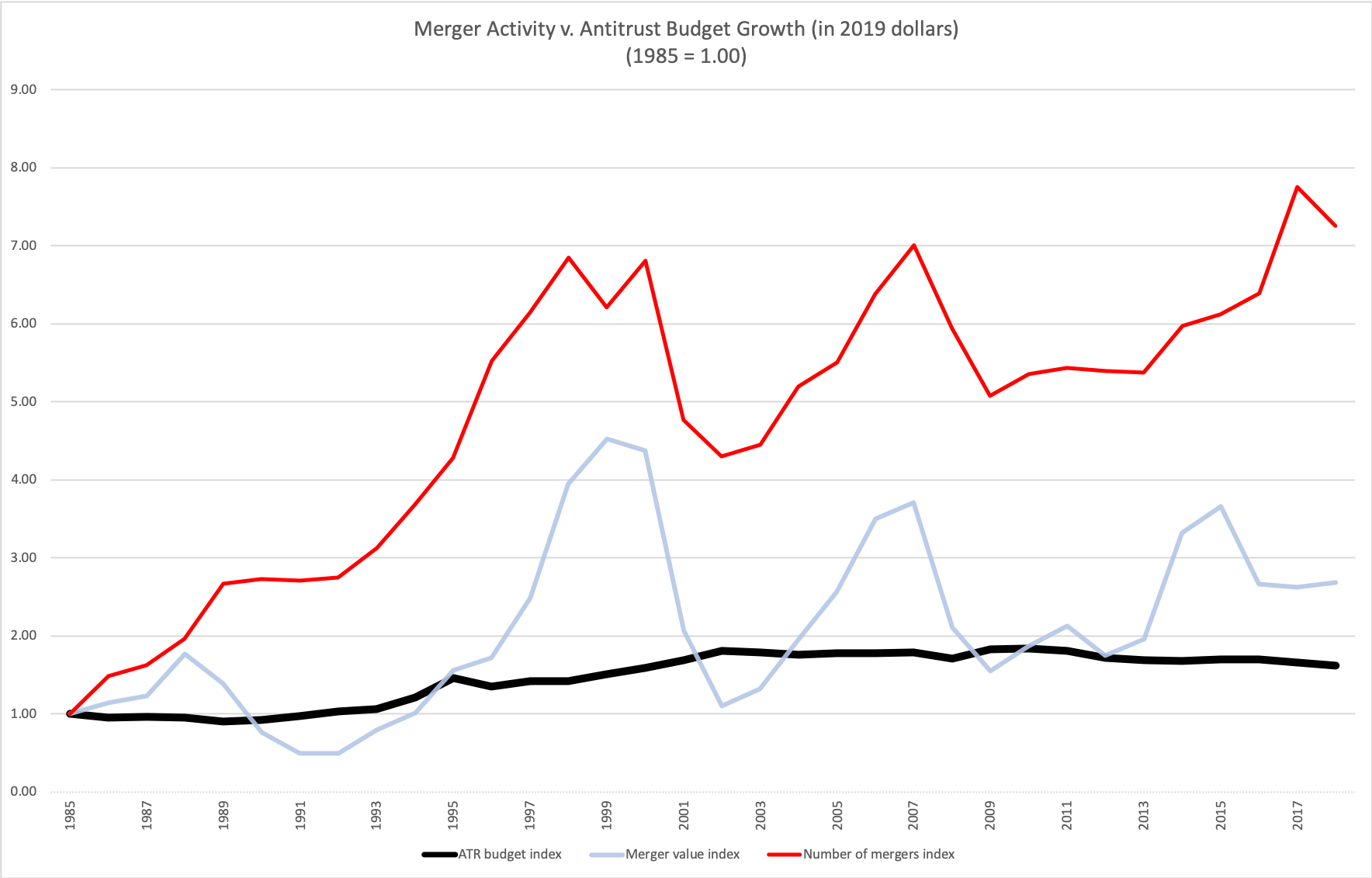
- Increase the Department of Justice Antitrust Division and the Federal Trade Commission budgets to address the stagnant resources enforcers have had to work with amid an increase in both the number and scale of merger activity.
- Promote a culture of interactions between agency economists and academic researchers to develop new theories and tools for enforcement. Additionally, encourage academic research to educate and validate these new conclusions for enforcers and the courts.
- Embrace new economic models and understandings of competitive dynamics more quickly. Doing so could require taking on cases that incur more litigation risk, but it will likely increase the potential for protecting competition policy.
- The DOJ and FTC should adopt lower concentration thresholds to determine whether a merger challenge should be pursued.
- Consider settling fewer problematic mergers The legal system’s bias towards settlement (as opposed to litigation) often benefits firms, who can leverage asymmetrical information to gain the upper hand in the negotiating process with the DOJ and FTC.
- Update guidelines for vertical mergers. The 1984 Non-Horizontal Merger Guidelines are out of date with current economic understanding of vertical mergers and potential exclusionary behavior, and thus provide little helpful guidance to agency staff or the courts.
- Develop tougher standards against market efficiency defenses. There is little economic evidence to support ex-post efficiency gains from most mergers. Agencies should clarify and toughen the standards how efficiencies are used to defend an otherwise anticompetitive merger.
- Timely progress will require legislation that re-establishes Congressional intent to enforce against a range of anticompetitive behaviors.
- There is ample evidence that regulation as a remedy may be worse than the disease. If regulation is desired as a policy response to unavoidable market power in the digital sector, the most promising direction is likely to be interventions focused on creating interoperability and data portability that facilitate entry and competition.
DOWNLOAD
SUMMARY:
Measures of market concentration in many U.S. industries have been rising for nearly four decades. Since the early 2000s, these trends have coincided with a falling labor share of income, declining private investment, and rising corporate profit rates and markups (the difference between price and marginal cost). Philippon argues these patterns are unique to the United States; in Europe and Asia, profits, aggregate measures of concentration, and labor share of income have been stable over time.
Philippon acknowledges that increasing market concentration does not necessarily signal trouble for competitive markets. When producers in competitive markets drive down profit margins and out-compete inefficient rivals, market concentration will rise and will likely correspond to lower prices and higher productivity growth. However, market concentration can also increase when competition is being inhibited by lax antitrust enforcement or incumbent firm’s successful attempts to prevent challengers from entering the market. In this scenario, weakened competition would lead to growing market concentration, which would coincide with lower productivity growth and higher prices.
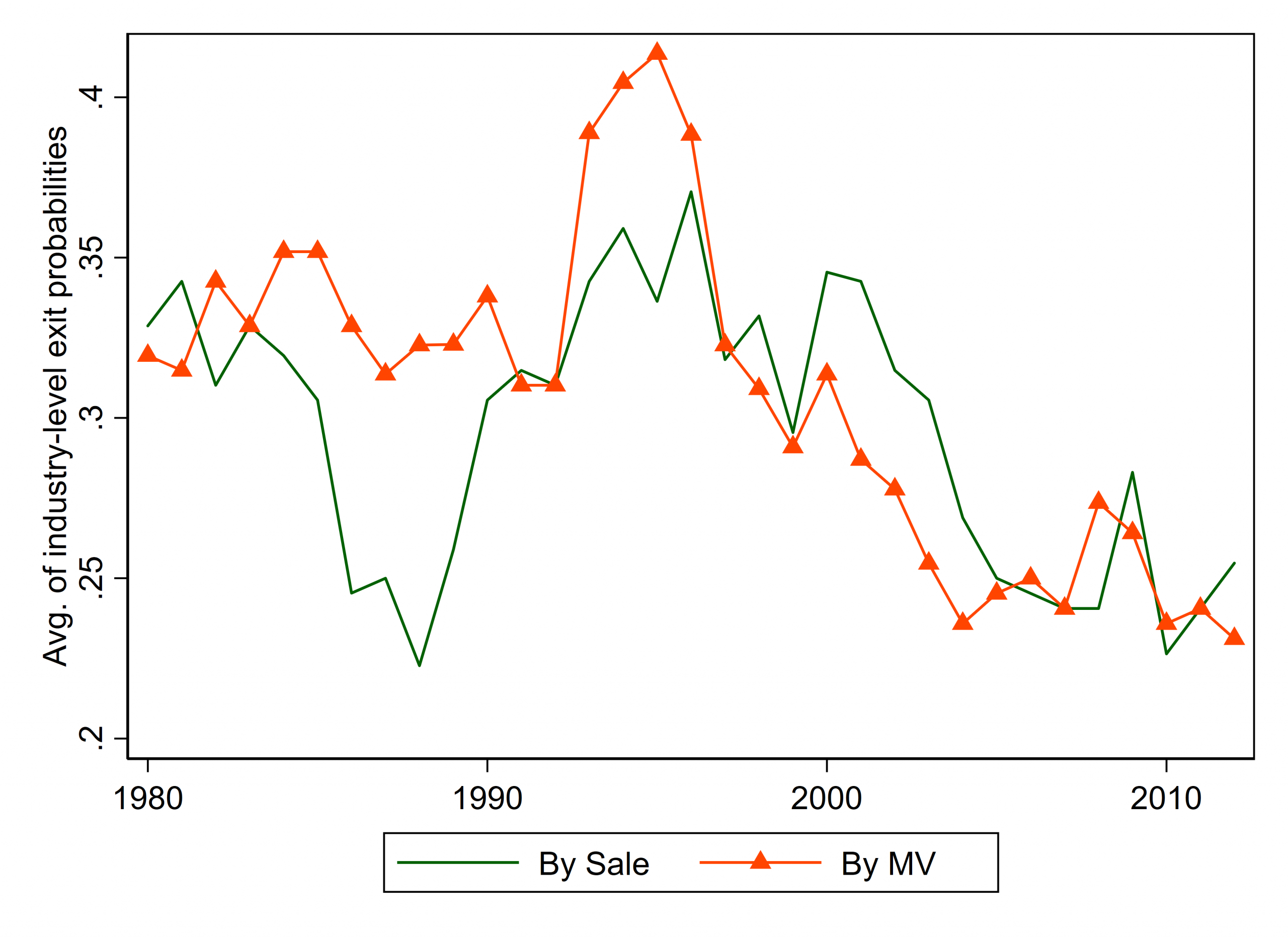
Philippon asserts that growth in aggregate measures of market concentration since the early 2000s is largely attributable to the weakening of competition. Lower levels of competition, Philippon argues, are directly due to lax antitrust enforcement and barriers to market entry. The likelihood of a market leader losing its superior position has fallen by 15 percentage points since the mid-1990s, lending support to Philippon’s argument that the market power of industry leaders has strengthened over this period.
KEY POINTS:
- Airlines and telecoms industries in the U.S. have become less competitive. Markups and concentration have risen in both sectors, and prices remain much higher relative to Europe, where competition policy is more robust. For example, the average monthly cost of fixed broadband was nearly twice as expensive in the U.S. ($68) compared to Europe, where costs ranged from $30 to $40 in most countries.
- Burdensome regulation is harming economic dynamism. As regulation becomes more stringent, firm start-ups in the U.S fall. This trend corresponds with the notion that market leaders are preventing competitors from entering the market.
- Counting only domestic firms in measures of market concentration can be misleading if those firms are exposed to foreign competition. However, after adjusting for trade, industries have still become more concentrated.
- The rise of intangible capital does not explain all of the decline in capital investment since 2000. Investment has been weak across all asset classes and intangible expenditures have increased across all advanced economies. However, profits have only increased in the U.S.
AUTHOR RECOMMENDATIONS:
- Reverse anticompetitive regulations at the state and federal level. For example, roll back occupational licensing or making licensing requirements transferable across states.
- Reinvigorate antitrust enforcement to promote competition, especially in the airlines and telecoms sector. Half of American households have only one internet provider option, while the other half have an average of only two. Antitrust enforcement should also block new mergers in this space.
- Across digital platforms, promote interoperability and data portability by allowing the exchange of information across platforms and enabling users to move their data across platforms.
A national debate about the strength and fairness of American capitalism is taking place against a backdrop of vast levels of income and wealth inequality, growing pessimism about the state of economic opportunity and mobility, increased market concentration in many sectors, and a precarious fiscal situation. Restoring the promise of America’s capitalist system will require policies that enable more Americans to succeed in our market-based economy. Designing effective policies requires an accurate diagnosis of what is ailing American capitalism in order to effectively strengthen it. This volume brings to bear perspectives from leading subject matter experts on the diagnosis of and treatment for capitalism’s ailments.
The volume is organized around three broad economic challenges facing the United States today. Section I addresses the widespread concern that increasing market concentration in many sectors is stifling competition and undermining a more dynamic economy. Section II explores the federal government’s unsustainable deficit and debt position and the associated concern that such trajectories imperil the long-run stability and security of the American economy. Section III considers a range of current policy ideas—including a federal wealth tax, “Medicare for All,” and universal basic income—that would dramatically change our economic institutions and policies in order to achieve greater progressivity through taxes and government spending.
READ MORE
The American economic system has always been the foundation of our national strength. But this foundation is showing cracks—from high levels of income inequality, declining economic mobility, and persistent economic insecurity among low- and middle-income Americans.
Many now conclude that our system is broken. Recent polling data show that trust in capitalism is declining, especially among younger people. A 2018 Gallup poll found that less than half of respondents (45%) ages 18-29 held positive views of capitalism. This shift represents a 20-point decline since 2010 in the share of young adults’ who held positive views of capitalism.
The upshot is clear: American capitalism is in trouble. So we need to strengthen our system to ensure that more people participate fully in our economic success. This means updating and adjusting our policies to ensure the outcomes of our market-based economy are consistent with fundamental American values of freedom, opportunity, and equality.
Doing so isn’t just an imperative for economic reasons. We believe that strengthening capitalism is as important for the health of the American economy as it is for the strength of our democracy. High levels of economic inequality will only contribute to increasing political dysfunction.
The essays contained in this volume seek to clarify the lines of debate on some of the greatest economic policy challenges of our time and present evidence-based analysis on how to address them. It examines the hypothesis that growing market concentration is inhibiting a dynamic and competitive economy. Next, it examines the health of America’s fiscal situation and what it implies about the continued strength of our market-based economy. Finally, it takes a hard look at recent policy proposals that would dramatically raise taxes on the rich and expand access to public benefit programs in response to high levels of income inequality and declining economic mobility.
The perspectives presented in this volume are not intended to represent the consensus view of Aspen Economic Strategy Group members. Our goal is to equip policymakers with the best analysis available to better inform decision making and to help Americans better understand the difficult tradeoffs our leaders face in making such decisions.
There is no single solution to the challenges facing the American economy. The important role of evidence-based policies with bipartisan appeal, however, is difficult to overstate. This volume cannot claim to represent the end of thinking on ways to strengthen American capitalism, but we believe it provides a useful start.
DOWNLOAD
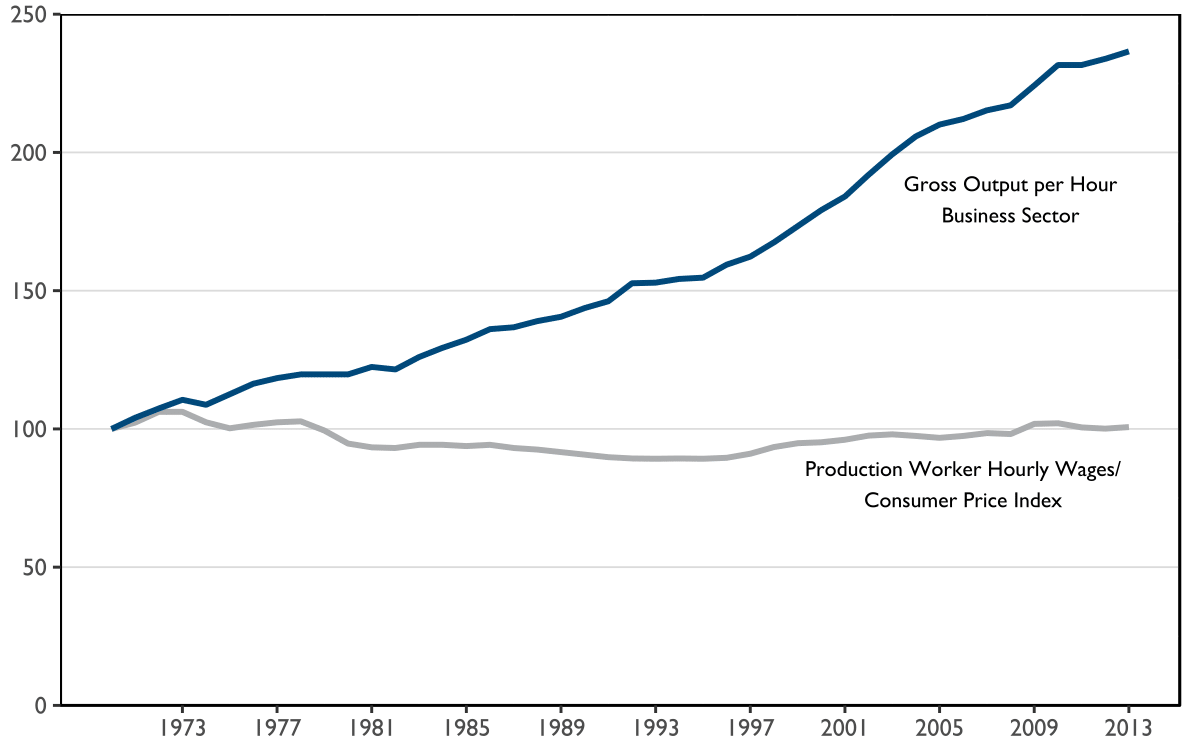
Many workers today find themselves lacking the skills and training necessary to thrive in the modern economy. Most low- and middle-income workers have not seen meaningful wage increases in many years. Millions of men and women are missing from the workforce altogether. These challenges stem from profound shifts in the American economy and necessitate a dedicated policy response.
Over the course of the past year, the Aspen Economic Strategy Group collected policy ideas to address the barriers to broad-based economic opportunity and identified concrete proposals with bipartisan appeal. These proposals are presented here in the edited volume “Expanding Economic Opportunity for More Americans: Bipartisan Policies to Increase Work, Wages, and Skills.”
DOWNLOAD BOOK
DOWNLOAD
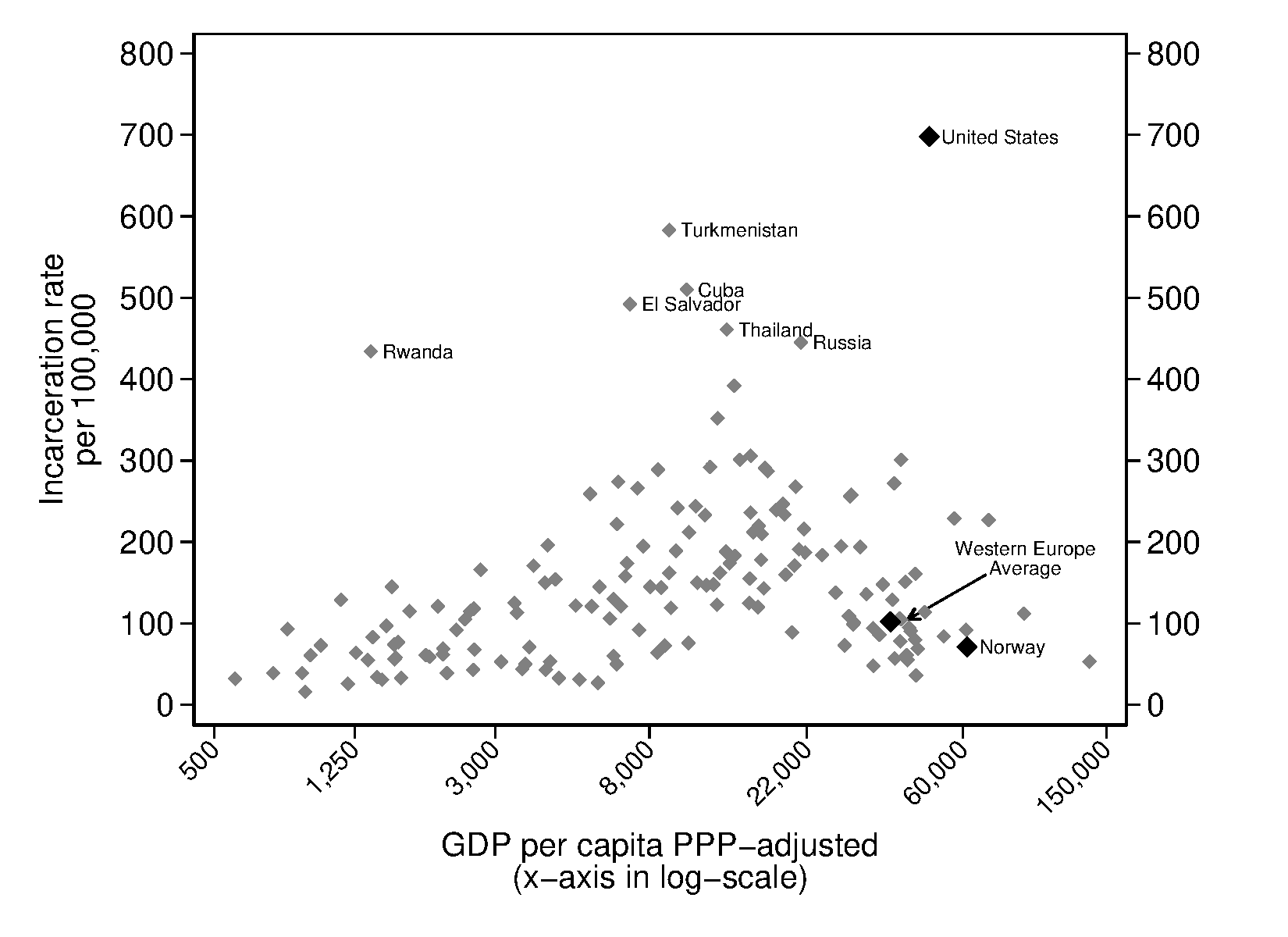
Incarceration rates in the United States have more than tripled in recent decades as rehabilitation has gradually taken a back seat to a policy agenda emphasizing punishment and incapacitation. This raises important questions about the effectiveness of state and federal prisons in the United States, and about whether the resources required for long prison sentences would be better spent improving prison conditions and expanding rehabilitation programs. Contrary to the widely embraced “nothing works” doctrine, we review recent empirical evidence from Norway demonstrating that a well-designed prison system can reduce recidivism and allow for successful re-entry into the labor market. We suggest several possible policy reforms that could be adopted in the United States, which, when combined with shorter prison sentences, would not require an increase in expenditures.
DOWNLOAD
Career and technical education (CTE) is widely viewed as an important alternative to traditional four-year colleges, a means of increasing the earnings of U.S.workers, and an effective response to the changing skill requirements of U.S. employers. While abundant evidence confirms that CTE offerings at public institutions can increase the earnings and employment rates of graduates, substantial barriers to successful expansion of high-quality CTE remain. These barriers include a lack of accessible information about program quality that makes it difficult for students to identify high-return programs and insufficient funding for both CTE students and the public institutions that provide high-quality programs. Low completion rates among those starting CTE programs also limit their positive earnings effects.