Archives: Publications
These are AIESG Publications
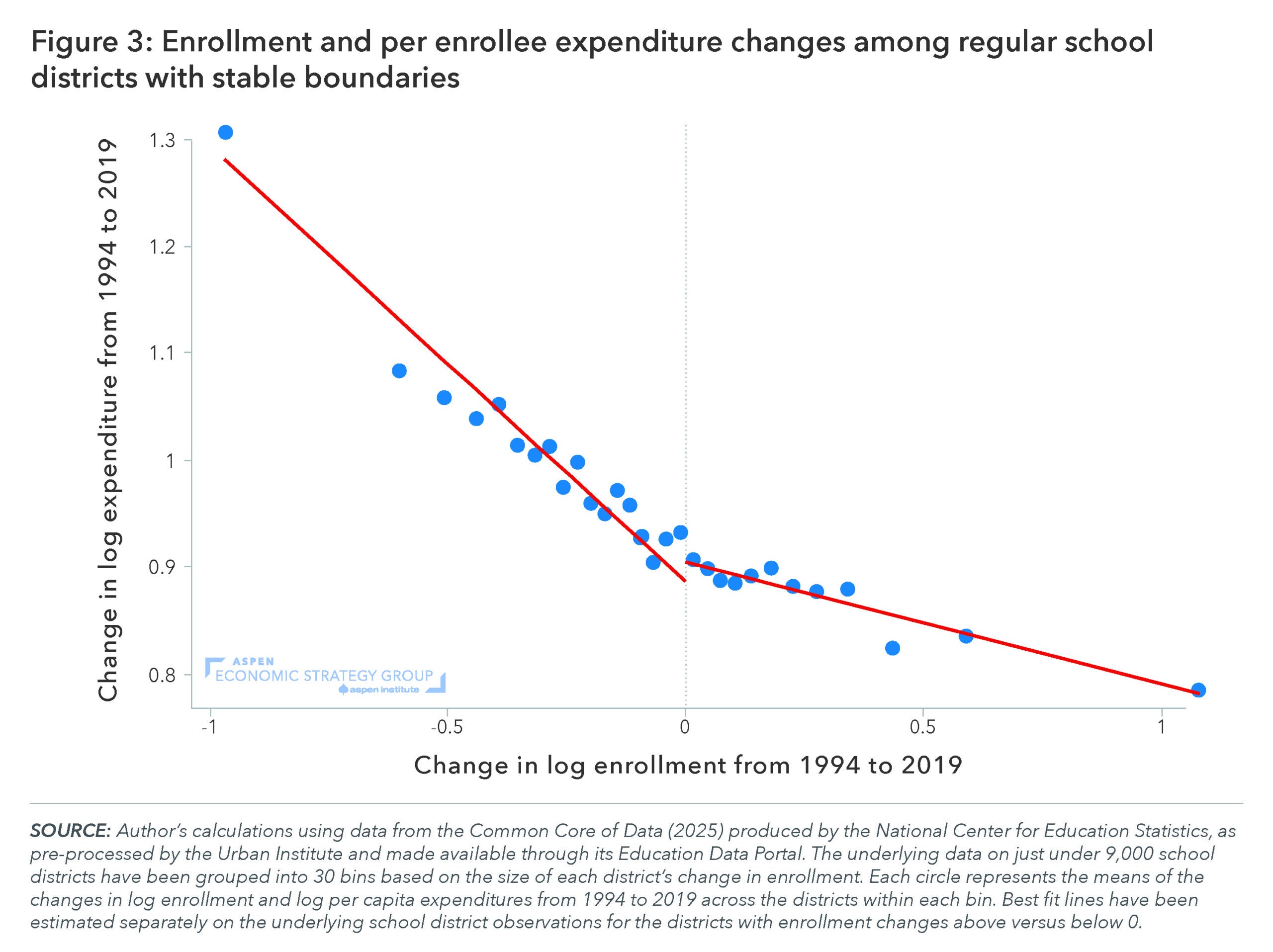
Figure 4. Enrollment Changes and Changes in School Counts Among Regular School Districts With Stable Boundaries
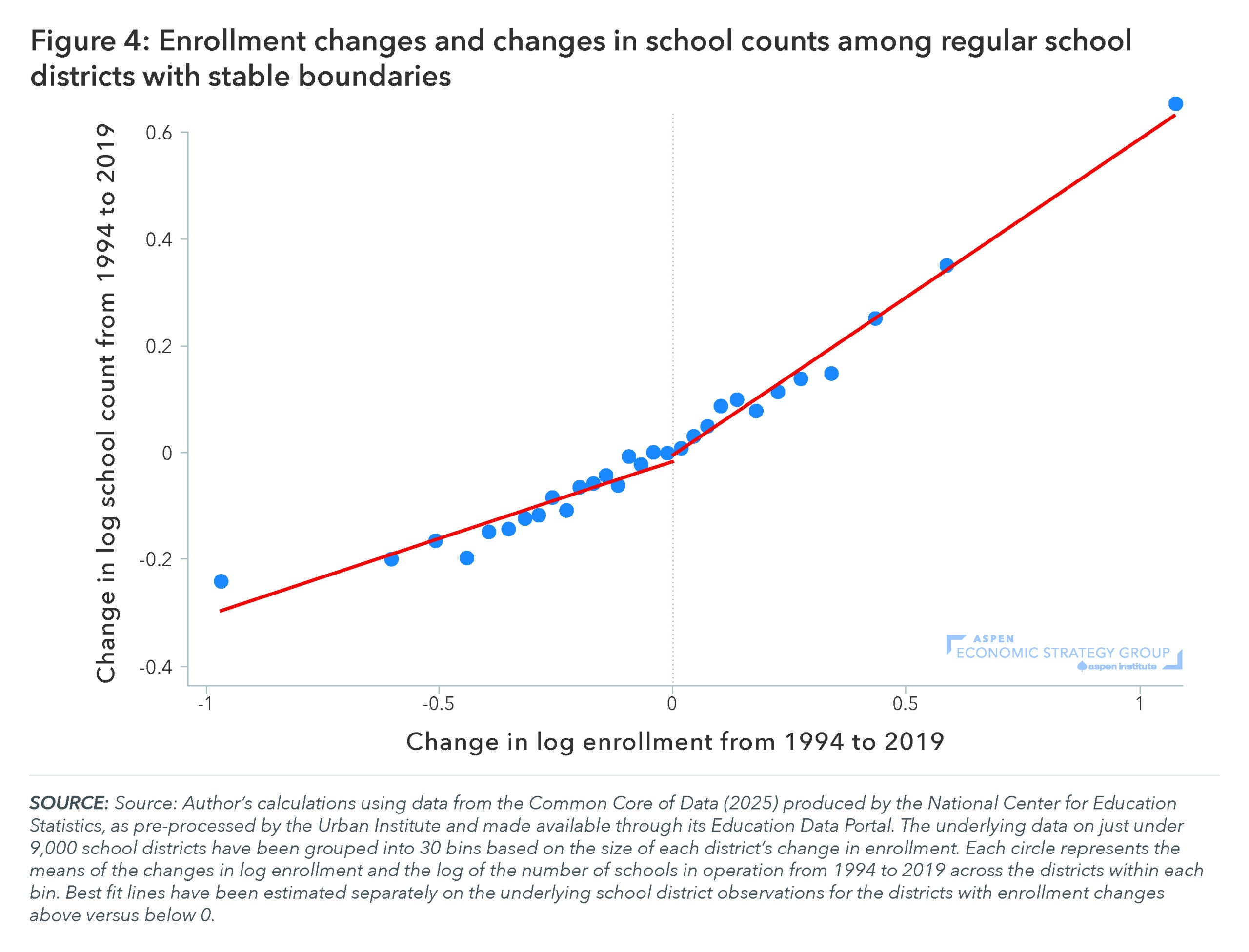
Figure 1. Fertility Affects Total Population Size With a Long Lag
Aspen Economic Strategy Group Reports related to Affordability

Policymakers across the political spectrum – and at the federal, state, and local levels – are increasingly focused on improving “affordability” for Americans.
The Aspen Economic Strategy Group has released a series of reports that speak directly to this challenge. Below, we highlight five AESG reports that offer evidence-based insights into how policy can strengthen household economic security by tackling high and rising prices, particularly in housing, energy, and healthcare.
1. Making Rental Housing More Affordable and Homeownership More Attainable
THE ISSUE:
In recent years, the cost burden of housing on American households has reached historically unprecedented levels. Among renters, 50 percent of households spent at least 30 percent of their income on rent, up from 41 percent in 2001. High house prices and elevated interest rates have also pushed homeownership later and later in life: the median age of first-time first-time homebuyers has increased from 29 in 1980 to 38 in 2024.
RECENT POLICY ACTION:
In recent weeks, the White House has proposed policy solutions aimed at making homeownership more attainable, including banning institutional investors from buying single-family homes as well as allowing individuals to tap into retirement savings in their 401(k) for the down payment on their home. At the local level, New York City Mayor Zohran Mamdani proposed improving the affordability of rental housing in the city by immediately freezing rent on all rent-stabilized apartments.
AESG WORK ON HOUSING AFFORDABILITY:
In an AESG paper “Improving Housing Affordability,” Ben Keys and Vincent Reina propose a policy agenda to make homeownership more attainable and reduce rental costs. Their expert view is that the housing affordability problem is fundamentally driven by a lack of adequate and affordable housing supply. They note: “given current supply constraints, policies that support and solely stimulate demand can exacerbate housing affordability issues.”
They propose that policymakers should make it easier to build new housing supply through comprehensive zoning reform and expanding financing opportunities for builders. Local zoning regulations, including minimum lot sizes and minimum parking requirements, have inhibited development and should be reviewed and reformed. They further propose that federal housing agencies make it easier to finance new construction, in particular expand multifamily financing through a loan system similar to what is currently in place for single-family lending.
Finally, Keys and Reina propose the establishment of a comprehensive housing safety net for renters who face a temporary drop in income – a topic previously taken up in detail by Ingrid Gould Ellen, Katherine M. O’Regan, and Amy Ganz in “A Renter Safety Net: A Call for Federal Emergency Rental Assistance.”
They propose the creation of a Federal Emergency Rental Assistance Program to provide one-time, short-term financial help to low-income renters who experience negative financial shocks. This program would offer temporary federal aid to cover rent, utilities, and other essential housing costs for renters earning below 80 percent of the area median income and see a temporary drop in income. Providing such temporary assistance when a financial shock occurs, they argue, significantly lowers the risk of subsequent evictions and delivers large social benefits at a relatively modest cost.
2. Reigning in Energy Costs
THE ISSUE:
The US is set for an acceleration in power demand, after years of flat consumption, driven primarily by growth in data centers including power-intensive AI hyperscalers. Such a development, without an accompanying increase in power supply, will likely result in reduced reliability and higher electricity prices – an outcome PJM, the country’s largest power grid operator, is already facing.
RECENT POLICY ACTION:
The White House Energy Dominance Council and a bipartisan group of 13 governors released a statement of principles on January 16 aimed at addressing the looming rise in electricity prices. The principles encourage PJM to hold a 15-year electricity auction for large technology companies, creating revenue certainty that will speed the build out of new power sources. The statement also prods PJM to speed up the regulatory approval process through which these new power sources can connect to the grid.
AESG WORK ON ENERGY STRATEGY:
In “An Energy Strategy for National Renewal,” Joseph Majkut offers policy proposals to meet America’s growing energy needs. First, expanding nuclear power is essential to providing large amounts of baseload power. The Department of Energy could facilitate the large capital investments necessary to build new nuclear capacity by purchasing power from such projects in advance. Second, the federal government should also invest in expanding high-voltage interstate transmission lines that transfer power across states and regions – both through greater funding and enhanced federal authority to site such projects. Such an investment in our energy infrastructure, particularly in areas that host data centers, will stabilize the power grid and reduce electricity costs.
3. Reducing Healthcare Prices
THE ISSUE:
Over the past several decades, healthcare costs have risen faster than the overall cost of living. KFF estimates that the average inflation-adjusted premium for a family health insurance plan has more than quadrupled from 1999 to 2022, and real out-of-pocket spending has risen by 30 percent.
RECENT POLICY ACTION:
On January 16, the White House announced The Great Healthcare Plan. Included in this plan are proposals to establish “Most-Favored-Nation” deals, under which prescription drug prices in America would match the lowest international price; to end the rebates Pharmacy Benefit Managers (PBMs) receive; and to require greater public price transparency by health care providers and insurance companies. In addition, the 2026 appropriations package that passed the House of Representatives on January 26 includes several provisions increasing transparency in PBM operations, including one mandating PMBs split drug rebates with health insurers.
AESG WORK ON HEALTH CARE COSTS:
In “Why Drug Pricing Reform Is Complicated: A Primer and Policy Guide to Pharmaceutical Prices in the US,” Craig Garthwaite and Amanda Starc lay out the complex and opaque system that determines pharmaceutical prices. They emphasize that a fundamental tradeoff lies at the core of drug pricing in the US: high prices today provide firms with the incentive to make the large, fixed, and sunk investments necessary to bring future new drugs to market.
However, they point out that specific market failures and other features of the pharmaceutical value chain raise prices without delivering additional value. The authors recommend a series of reforms that emphasize bolstering competition and transparency: by speeding up the approval process for new generic drugs, improving transparency between insurers and pharmacy benefit managers in the rebates PBMs receive from drug manufacturers, and limiting vertical integration between insurance plan sponsors, PBMs, and pharmacies.
More broadly, in “Coverage Isn’t Care: An Abundance Agenda for Medicaid”, Garthwaite and co-author Timothy Layton outline an “abundance agenda” for healthcare, using Medicaid as a first step. Garthwaite and Layton call for reforms to the US healthcare system that would increase the supply of low-cost providers that can provide basic care. They propose targeted regulatory reforms to relax restrictions on foreign-trained doctors, expand the ability of nurse practitioners and physician assistants to practice independently, and allow for AI-augmented care to efficiently scale medical expertise. These changes would first operate within a designated ‘Medicaid tier’ of care where regulatory reform would be used to deliver such high-quality, low-cost care to Medicaid enrollees.
Top 12 Charts of 2025 from the AESG

Happy holidays from the Aspen Economic Strategy Group! Thank you for your continued interest and support of our work. As a group devoted to advancing evidence-based economic policy, we appreciate the powerful role that charts play in telling the story of our economy. Enjoy twelve figures that showcase the AESG’s work in 2025!
Figure 1: Compared to half a century ago, inflation-adjusted wages have risen across the income distribution.
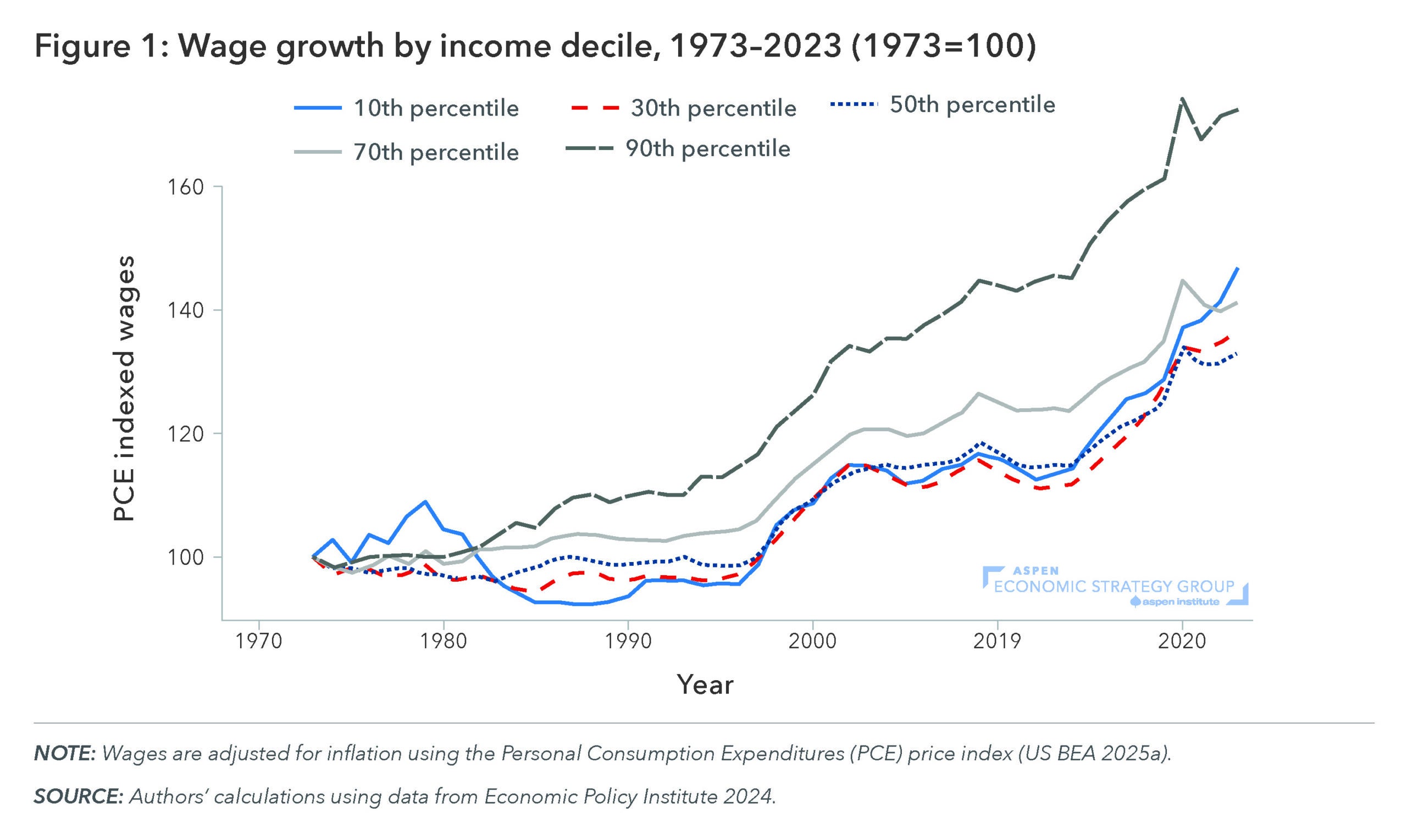
In the AESG staff report, Current Evidence on Household Financial Wellbeing, Policy Director Luke Pardue and Research Assistant Ella Grant bring clarity to the question of how American households are faring and attempt to reconcile often-heard conflicting claims about whether American households are thriving or barely surviving. They find that, while wage growth has not been uniform across time or across the wage distribution, the overall story of the American worker is one of substantial wage growth over the past half century and particularly over the past 30 years.
FIgure 2: Poverty has fallen substantially since the 1980s—by roughly half according to income-based measures and by more than 80 percent using consumption-based measures.
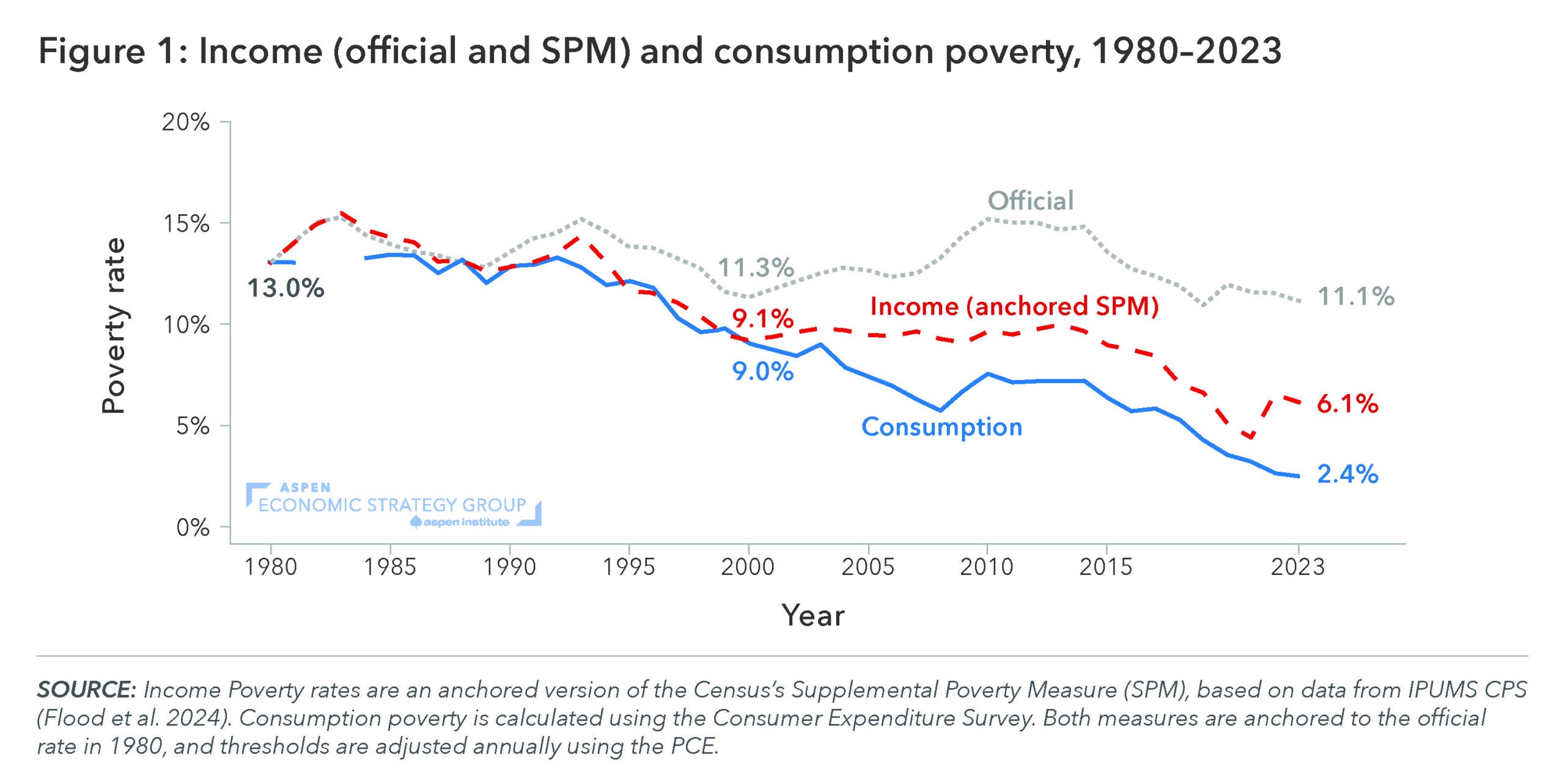
For many years, policymakers and pundits have claimed that US poverty has not fallen. In their paper, Beyond the Myths: A Clearer Path to Poverty Alleviation in America, Melissa S. Kearney and James Sullivan dispel that myth and document that poverty has, in fact, declined substantially over the past four decades. They show that anti-poverty programs have played an important role in this progress, along with increased earnings.
Figure 3: Poverty rates are elevated among families headed by unmarried parents without a four-year college degree. The link between poverty and family structure exists for all major race and ethnic groups in the US.

In their paper, Kearney and Sullivan emphasize that sustained progress towards alleviating poverty requires investing in people’s capacity to succeed, with particular attention to four areas: developing skills, strengthening families, removing barriers to individual flourishing, and expanding upward mobility for children born into disadvantaged circumstances.
Figure 4: Medicaid has grown from a small, targeted safety net program into a major national health-insurance provider, covering nearly one in four Americans.
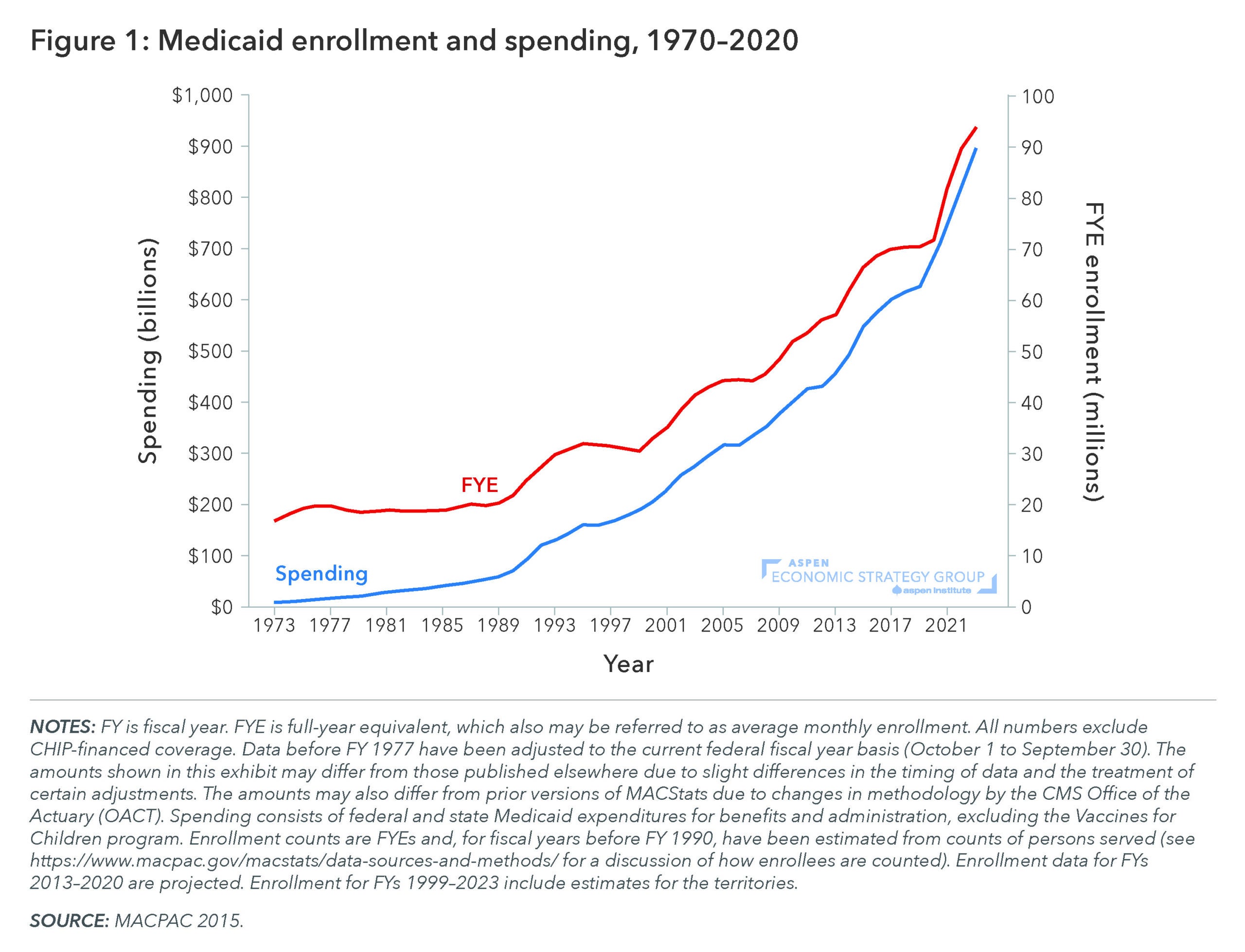
In Coverage Isn’t Care: An Abundance Agenda for Medicaid, Craig Garthwaite and Timothy Layton provide an overview of the Medicaid program; put forward a framework for thinking about the appropriate structure of the program; and propose a set of fundamental reforms aimed at improving the efficiency of the program.
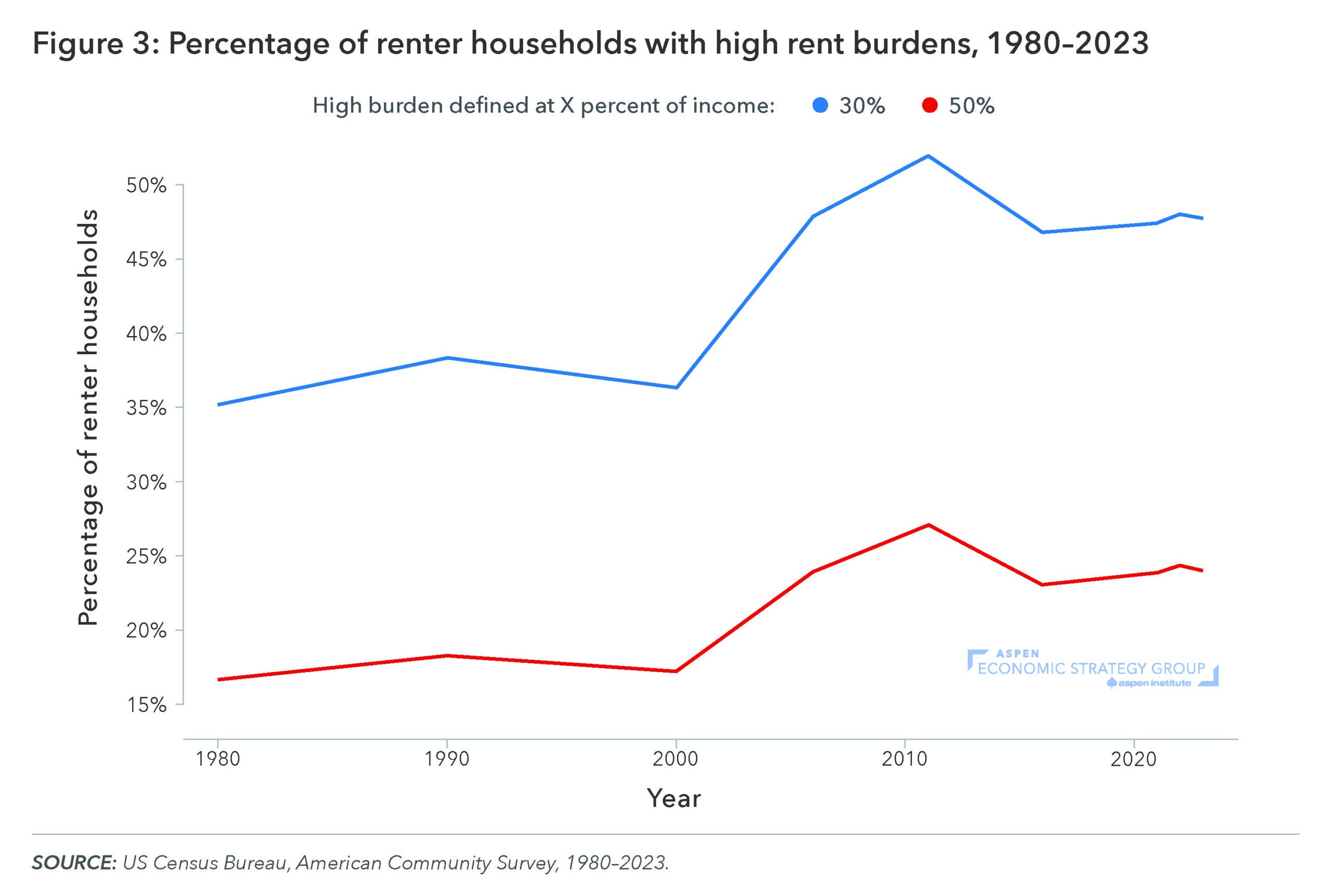
Figure 5: Nearly 50 percent of renters in the US pay more than 30 percent of their income toward rent.
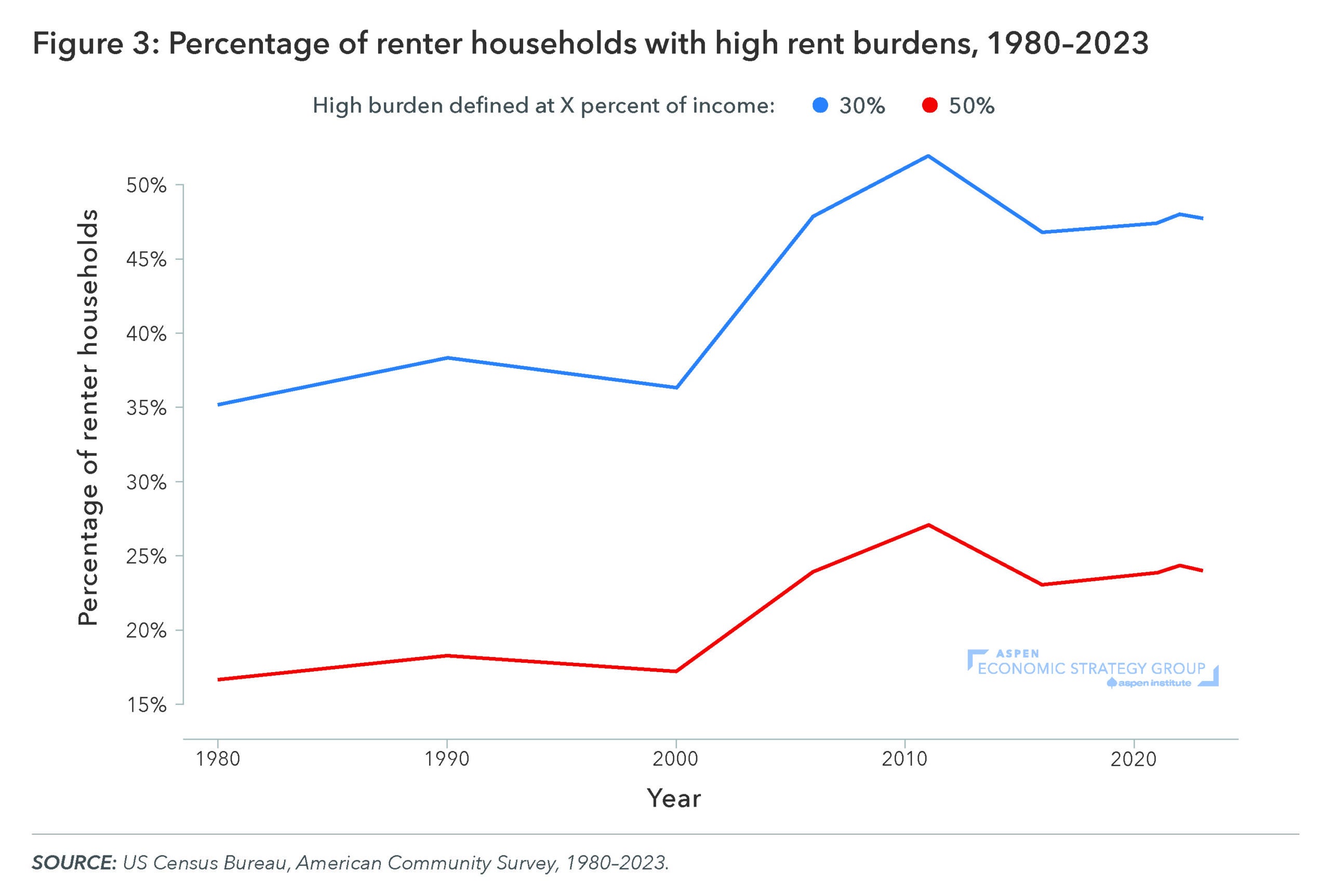
Vincent Reina and Benjamin Keys lay out key facts about the decline in housing affordability in the US and assess the drivers of this challenge in Improving Housing Affordability. They find that from 1980 to 2023, median inflation-adjusted rent has nearly doubled, while the share of renters who are “rent burdened” – spending over 30 percent of their income on housing – has risen from 35 to 48 percent.
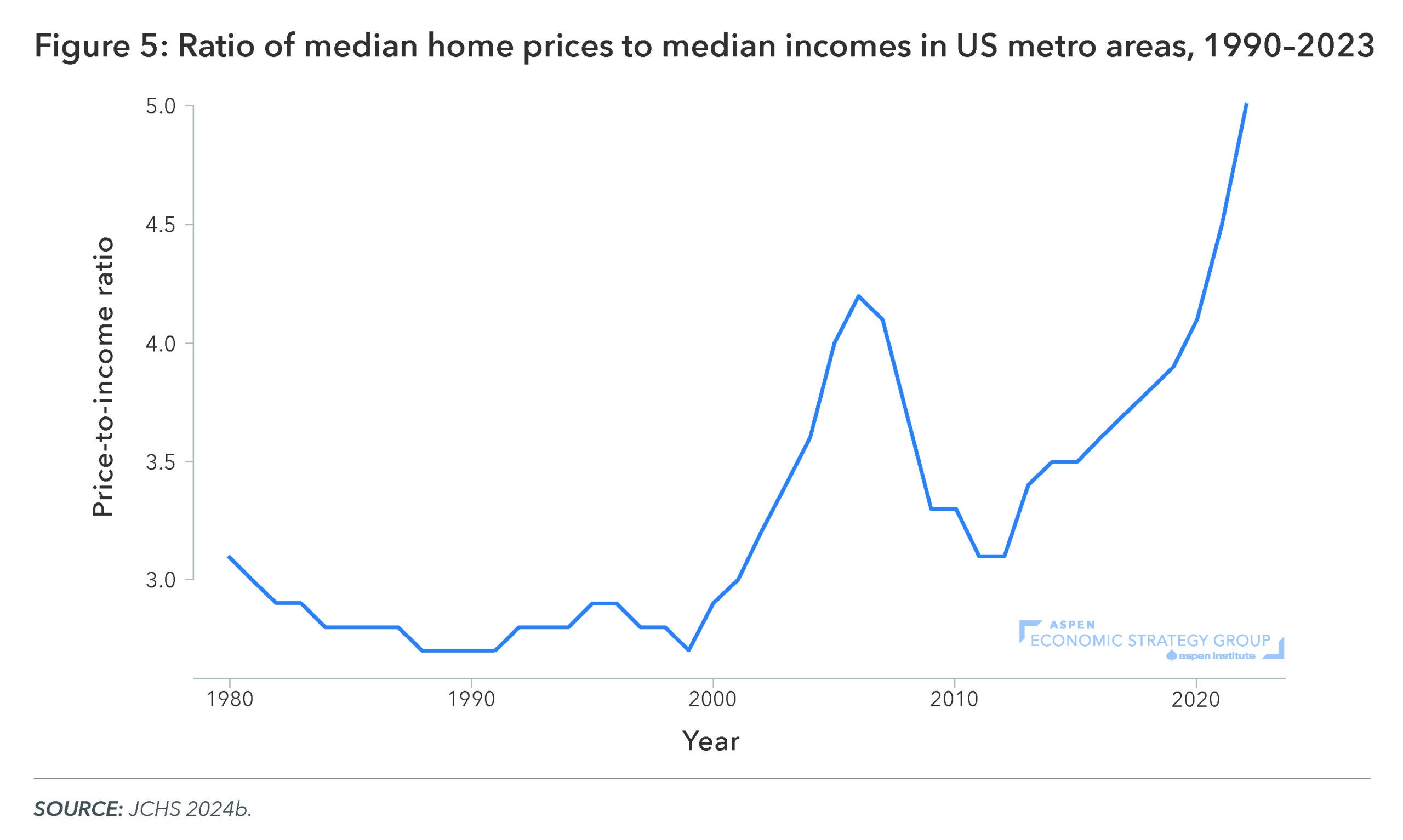
Figure 6: At the same time, homeownership has become increasingly out of reach in US metro areas.
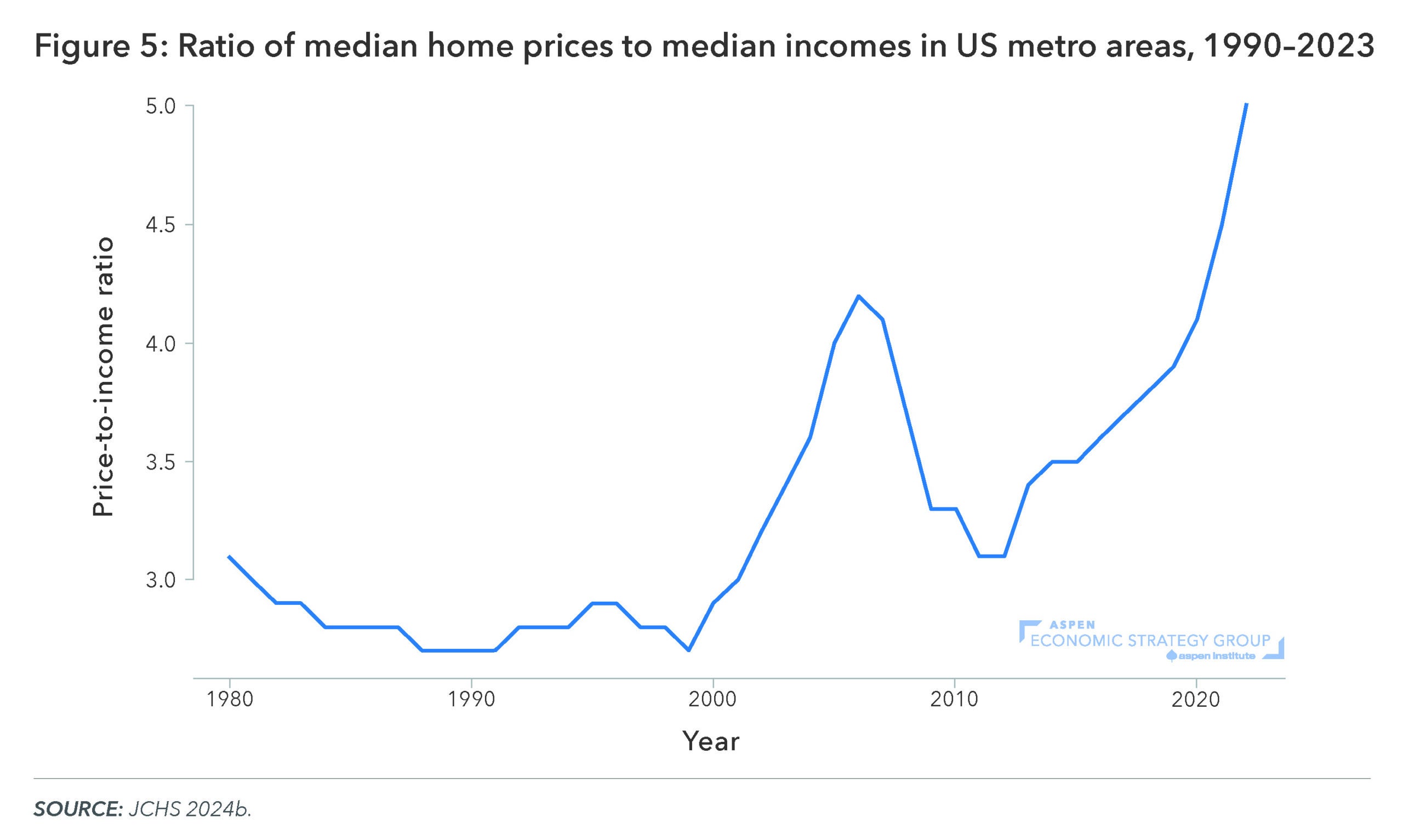
Keys and Reina point out that the ratio of median home sale price to median income in the US increased from 2.4 in 1990 to 5 in 2023, surpassing the prior high at the peak of the housing boom in the first decade of the 2000s.
Figure 7: After decades of low energy costs and flat consumption, the US is now poised for a surge in power demand.
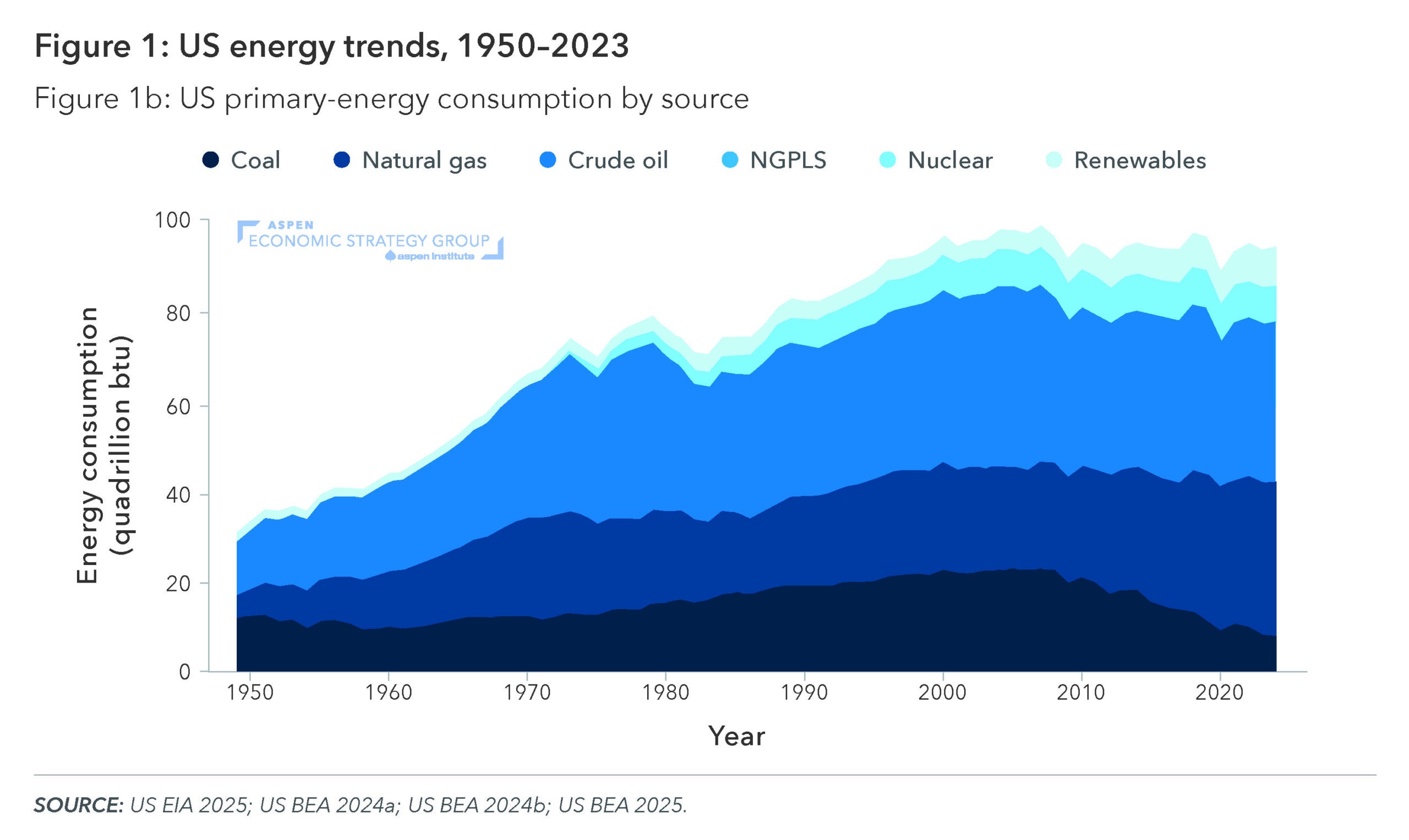
The increase in power demand, driven by developments in artificial intelligence, domestic manufacturing, and continued electrification, will challenge an already-constrained electricity grid. In An Energy Strategy for National Renewal, Joseph Majkut outlines a strategy to boost energy generation, build transmission infrastructure, and approach greenhouse-gas emissions reductions while prioritizing global economic competitiveness.
Figure 8: The laws that govern high-skilled immigration are outdated and misaligned with the needs of today’s economy.
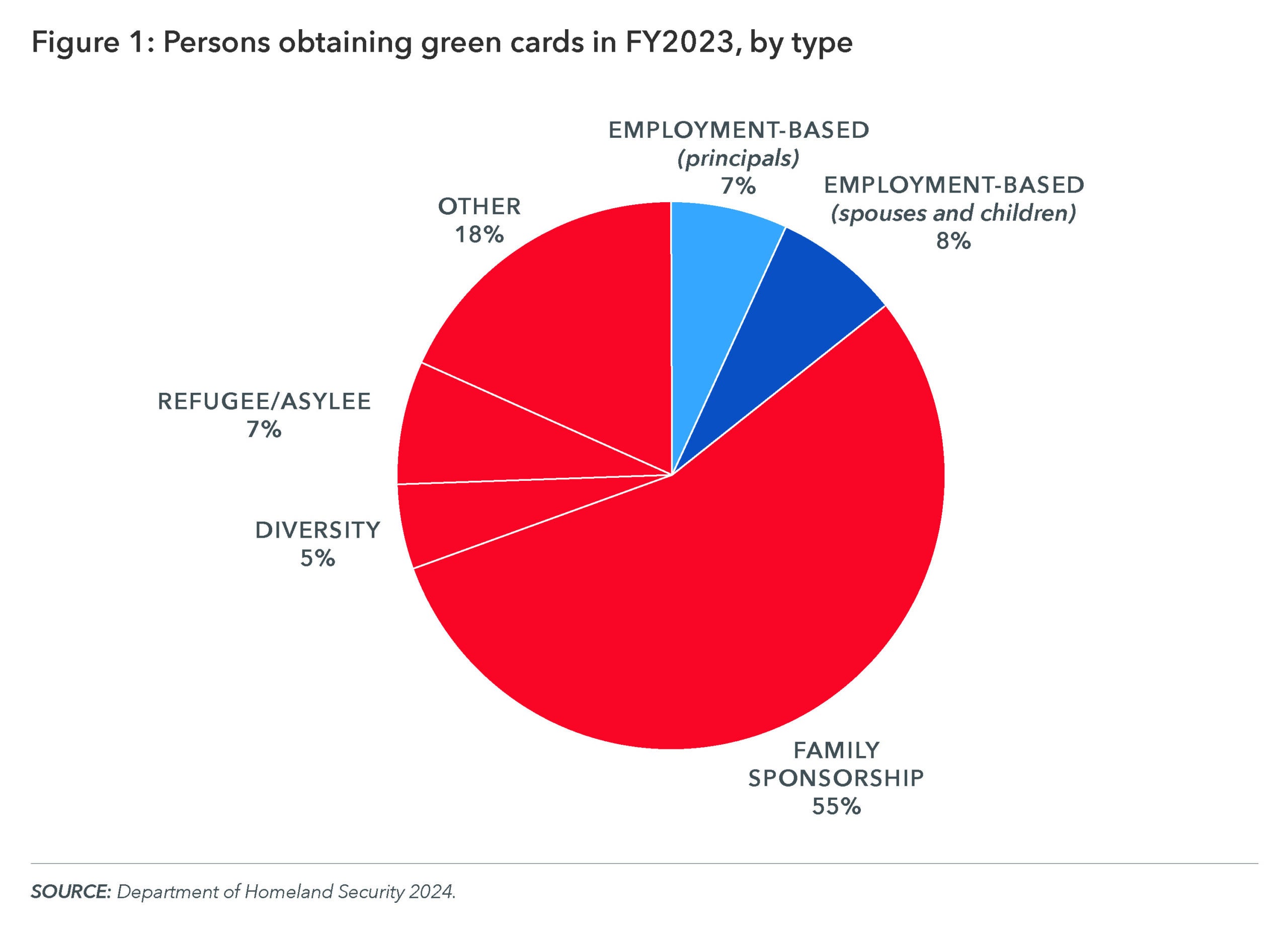
Each year, the US issues about one million green cards, but only 7 percent go to individuals selected on the basis of their skills or job offers. In Aligning High-Skilled Immigration Policy with National Strategy, Jeremy Neufeld outlines the shortcomings of the current high-skill immigration system and offers policy reforms that would advance the United States’s ability to attract, select, and retain the world’s most promising workers.
Figure 9: Confusion about college pricing stems from the gap between the “sticker price,” and the lower net amount that many students pay after receiving financial aid.
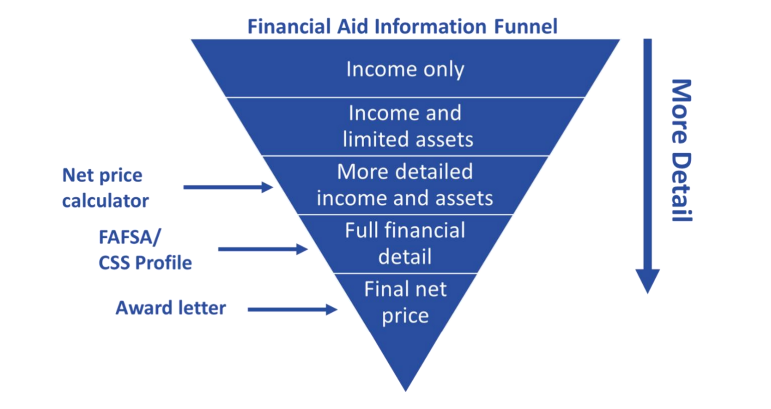
As of the 2019–2020 academic year, only 26 percent of in-state students at public colleges and 16 percent of students at private, nonprofit colleges paid the full sticker price. In his AESG policy brief, Transparency in College Pricing: Still More Work to Do, Phillip Levine proposes the creation of a “financial aid information funnel,” as a way to help families better understand the true cost of college.
Figure 10: The structure of the US tax code often disincentivizes marriage among low-income partners and reduces the return to work for a lower-earning spouse.
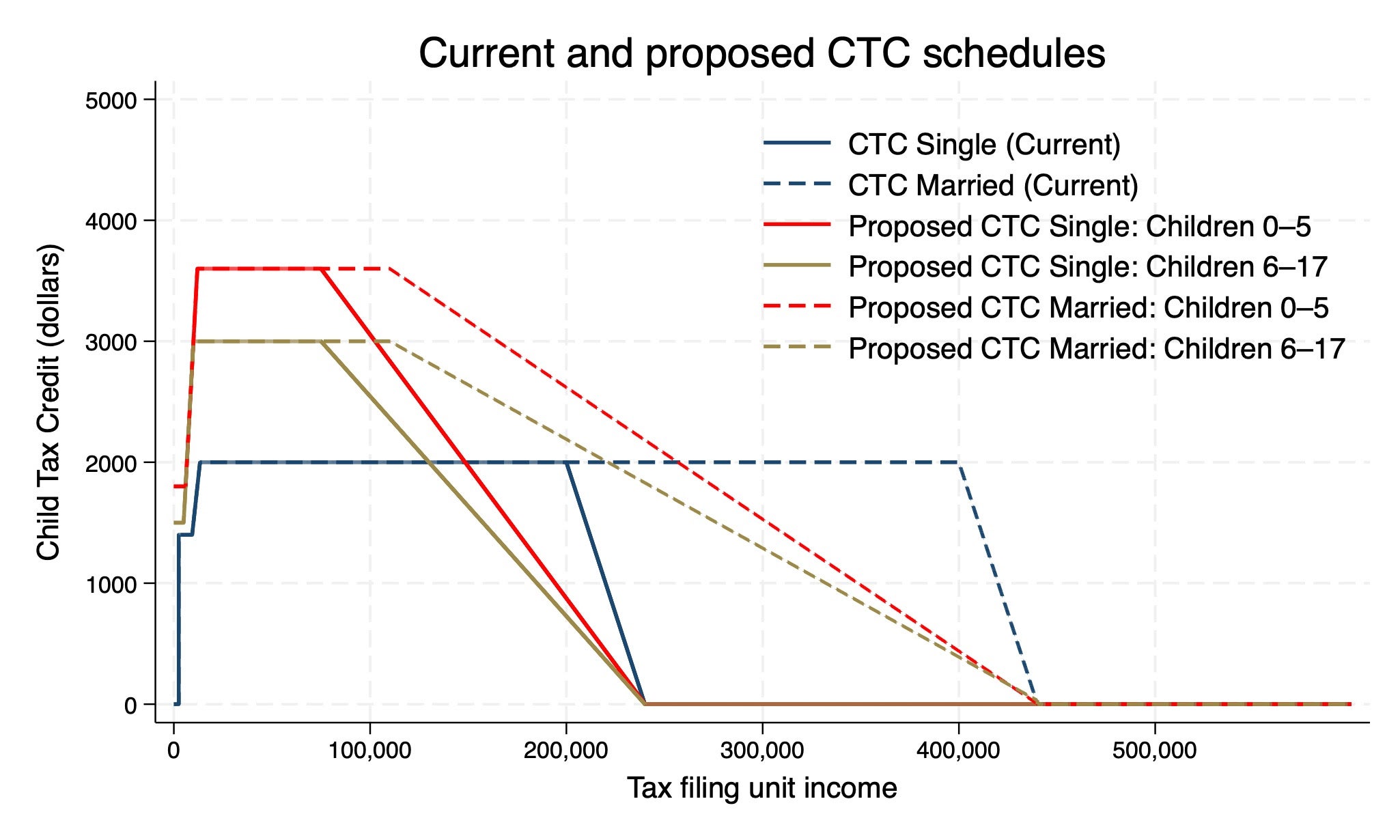
AESG Director Melissa S. Kearney, Policy Director Luke Pardue, and Research Assistant Ella Grant’s policy brief, Supporting Families, Rewarding Work: A Proposal to Reform and Enhance the EITC and the CTC, outlines potential incremental reforms to the Earned Income Tax Credit and Child Tax Credit that would reorient the EITC around its primary purpose of subsidizing wages of low earners, while using the CTC as the primary tool to support families with children.
Figure 11: The US faces long-term demographic headwinds caused in part by a falling birthrate.

Fertility rates in the US have fallen from a recent peak of 69.5 births per 1,000 women 15-44 years old in 2007 to 54.4 in 2023. Recent proposals such as “baby bonuses” and expansions to the Child Tax Credit have cast increased attention on the issue of declining birth rates in the US. The AESG and its director Melissa S. Kearney have highlighted the significant social and economic consequences of the country’s falling birth rate and considered what it will take to reverse current trends.
Figure 12: Shifting demographics and declining fertility have significant long-term economic consequences, particularly on the size of the future working-age population.
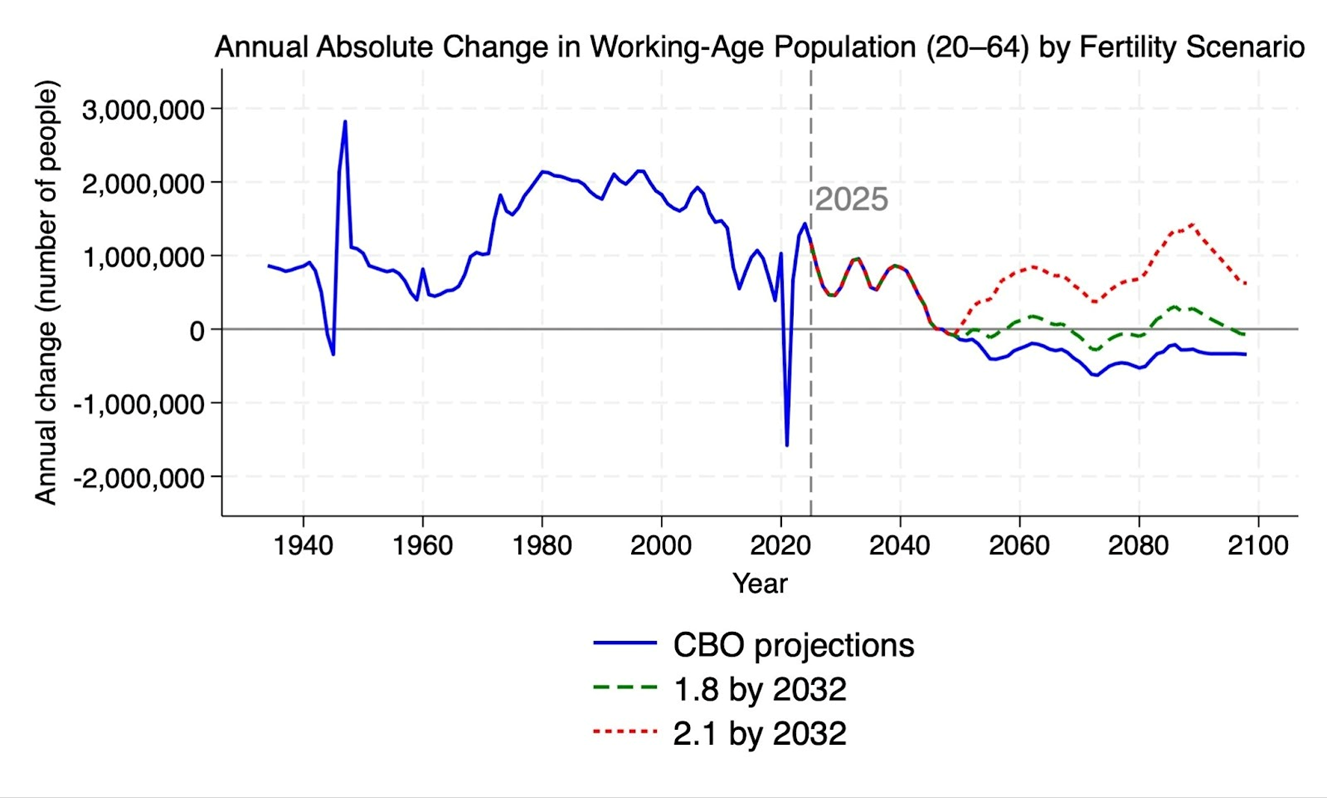
At a panel discussion hosted by the American Enterprise Institute entitled Can We Get Through the Demographic Crunch? The Implications of the 2025 OECD Employment Report, AESG Policy Director Luke Pardue provided remarks on the economic implications of shifting demographics. He pointed out that, absent other changes to population trends, it would take a return to a replacement-level Total Fertility Rate of 2.1 children per 1,000 women by 2032 to maintain the current pace of growth in the working-age population.
Remarks at Can We Get Through the Demographic Crunch?

On November 5, 2025, AESG Policy Director Luke Pardue provided remarks during a panel discussion hosted by the American Enterprise Institute: Can We Get Through the Demographic Crunch? The Implications of the 2025 OECD Employment Report.
A recording of the full event can be found here:
Pardue’s slides can be downloaded here.
Coverage Isn’t Care: An Abundance Agenda for Medicaid

Originally a small, inexpensive safety-net program, Medicaid has grown into a major national health-insurance provider, covering nearly one in four Americans and more people than the public health insurance programs of the United Kingdom, Germany, or France. In Coverage Isn’t Care: An Abundance Agenda for Medicaid, Craig Garthwaite and Timothy Layton provide an overview of the Medicaid program; put forward a framework for thinking about the appropriate structure of the program; and propose a set of fundamental reforms aimed at improving the efficiency of the program.
The authors emphasize that decades of piecemeal changes have produced a fragmented program that merges various populations, providers, and revenue streams. They point out that recent reform proposals largely hold the structure of the program fixed and focus on marginal changes to financing and eligibility. Finally, they propose a broader and more fundamental set of reforms that acknowledge that Medicaid’s contemporary size and scope requires a different structure than its smaller historical predecessors.
Medicaid was created in 1965 as a small safety net program providing health insurance to the aged, blind, disabled, and very-low-income families with children. Eligibility expansions beginning in the 1990s set the stage for rapid growth. Congress first expanded eligibility to higher-income pregnant women and children (those with incomes under 133 percent of the Federal Poverty Line (FPL) for pregnant women and children under 6). In 1997 the State Children’s Health Insurance Program (SCHIP, now just CHIP) was introduced. Through this program Congress offered matching funds to states to cover children in families with incomes higher than the national Medicaid eligibility levels. Many states set eligibility for children at 200 percent of the FPL. Finally, the 2010 Affordable Care Act extended coverage to all adults with incomes below 138 percent of the federal poverty line.
Medicaid’s costs are shared between states and the federal government. The federal government matches a portion of state Medicaid spending through a formula known as the Federal Medical Assistance Percentage (FMAP), which varies from a 50 to roughly 90 percent federal match based on state per-capita income. As Medicaid was expanded to cover additional populations, Congress included more generous matching rates to incentivize states to undertake these expansions. The CHIP program included an “enhanced” FMAP for children in higher-income families with a minimum match of 65 percent. The FMAP was further expanded for the population covered under the ACA Medicaid expansion, which is almost entirely paid for with federal dollars (90 percent FMAP).
Garthwaite and Layton discuss the impact and feasibility of three commonly proposed categories of Medicaid reforms: FMAP reductions, administrative burdens and work requirements, and block grants and per-capita caps. All three, they point out, may generate substantial savings, but would almost certainly do so through reduced enrollment or by reducing program generosity (by, say, eliminating optional benefits like dental coverage), rather than creating a more efficient system.
The authors argue that instead of taking the current structure as given and trying to reform it with tweaks to the generosity of benefits or the level of enrollment, broader reforms are needed to expand the supply of a dedicated tier of lower-cost providers that offer access to basic healthcare for Medicaid patients.
Their proposed reforms focus on expanding the healthcare workforce and leveraging technology to increase care for Medicaid patients. The authors recommend relaxing restrictions on foreign-trained doctors in high-Medicaid areas; expanding the scope of practice for mid-level providers by allowing nurse practitioners and physician assistants to provide care to the Medicaid population; and augmenting the expanded workforce with AI by loosening regulations to allow for AI-assisted care to Medicaid patients. Garthwaite and Layton also propose targeted investments to help providers overcome the high fixed costs of entering this reformed Medicaid tier, through subsidies for new safety-net healthcare facilities and state or federal funding for AI tools, which can be financed by repurposing funds within the Medicaid program today.
Suggested Citation: Garthwaite, Craig., and Layton, Timothy., 2025. “Coverage Isn’t Care: An Abundance Agenda for Medicaid.” In Advancing America’s Prosperity, edited by Melissa S. Kearney and Luke Pardue. Washington, DC: Aspen Institute. http://dx.doi.org/10.2139/ssrn.6506880.
An Energy Strategy for National Renewal

After two decades of relatively constant energy consumption, the nation faces a surge in power demand driven by artificial intelligence, domestic manufacturing, and continued electrification, developments that challenge an already-constrained electricity grid. In this way, the United States’ energy strategy must effectively bridge economic policy and geopolitical power while serving as a calibrated response to climate change.
In An Energy Strategy for National Renewal, Joseph Majkut outlines a strategy to boost energy generation, build transmission infrastructure, and approach greenhouse-gas emissions reductions while prioritizing global economic competitiveness.
Forecasts suggest that U.S. electricity demand could rise by as much as 105 percent by 2040, driven by rapid growth in artificial intelligence (AI) data centers and strategic manufacturing. Capital investment in AI data centers could soar from $125 billion in 2024 to nearly $2 trillion by 2030, with facilities requiring electricity loads comparable to mid-sized cities. At the same time, the expansion of semiconductor and electric-vehicle production is straining regional grids. Together, these sectors are reshaping the U.S. energy landscape and propelling the need for increased generation and transmission capacity.
The existing grid is unable to support the scale of new power demands, creating reliability problems, as the power sector operates on increasingly thin reserve margins during periods of peak demand. Majkut calls for strengthening generation, transmission, and distribution infrastructure while continuing to reduce emissions. He argues that the country needs to do so in a way that aligns our strategic competitiveness goals with climate concerns, as the carbon intensity of products is becoming a key competitive differentiator in international markets. America already holds distinct carbon-intensity advantages in key production sectors, but these need to be preserved by continuing to invest in clean energy and resilient infrastructure.
In light of these challenges, Majkut proposes four policy proposals to support strategic energy competition.
Expand the development and deployment of nuclear energy. Expanding nuclear power would complement solar, storage, and natural gas by providing large-scale, carbon-free baseload generation. Majkut proposes an anchor tenancy model in which the Department of Energy is a contracted purchaser of power from a project under development, so that private developers can secure funding from capital markets and attract other potential offtakes, enabling financing and the start of construction.
Invest in transmission enhancements. Investing in high-voltage interstate transmission is one of the most strategic long-term steps the federal government can take to strengthen the energy system. Majkut calls for federal funding and authority to accelerate the buildout of a national grid capable of transferring power efficiently across states, especially to regions hosting data centers and strategic industries.
Build new natural-gas plants ready for later retrofit with carbon capture and storage equipment. While natural gas will be necessary to meet rising demand, future emissions reduction goals will require retrofitting many of these facilities. Designing plants today with future carbon capture and storage (CCS) in mind is a low-cost hedge that helps prioritize long-term emissions-reduction progress. Federal and state policy should encourage CCS readiness as a condition of accelerated permitting and incentives for new gas generation.
Establish rigorous carbon-accounting standards. As global markets increasingly reward low-carbon production, the United States will need credible emissions accounting to maintain competitiveness. Majkut recommends U.S.-led standards that leverage the expertise of the Departments of Energy and Commerce to guide investment, enhance transparency, and build support for broader climate policies.
Suggested Citation: Majkut, Joseph., 2025. “An Energy Strategy for National Renewal.” In Advancing America’s Prosperity, edited by Melissa S. Kearney and Luke Pardue. Washington, DC: Aspen Institute. http://dx.doi.org/10.2139/ssrn.6506883.
Improving Housing Affordability

Housing affordability in the United States has become a major challenge for Americans and a key policy priority for US policymakers. In this paper, Benjamin Keys and Vincent Reina assess the drivers of the housing affordability challenge, concluding that inadequate supply, barriers to homeownership such as tight credit standards, and the lack of a meaningful housing safety net have made affordable housing increasingly out of reach for many Americans. The authors then propose specific policy solutions to expand supply, improve access to homeownership, and strengthen the housing safety net.
Keys and Reina first lay out several facts about the decline in housing affordability in the United States. Since 1980, median inflation-adjusted rent has nearly doubled—from under $950 to $1,700 in 2023—while the share of affordable rental units has collapsed from more than half of the housing stock to just over 20 percent. The share of renters who are “rent burdened,” spending over 30 percent of their income on housing, has risen from 35 to 48 percent.
Second, homeownership has become increasingly out of reach. The ratio of median sales price to median income has increased from 2.4 in 1990 to 5 in 2023. With home prices elevated, first-time buyers are entering the market later and in smaller numbers. The median age of a first-time buyer has climbed from 29 in 1980 to 38 in 2024, and the share of all housing purchases made by first-time buyers fell from 50 percent in 2010 to 24 percent in 2024.
Keys and Reina identify four main drivers of the nation’s housing affordability crisis:
Challenges in building housing. Local land-use and zoning restrictions have sharply limited housing supply. Lengthy permitting processes, uncertainty, and high fixed development costs further push up costs for builders, incentivizing the construction of high-priced, luxury units and leaving the low-cost segment undersupplied.
Barriers to homeownership. Homeownership has become increasingly difficult due to tighter credit standards, high levels of student-loan debt, and disproportionately high denial rates for minority households. Lending standards to obtain high-LTV, fixed-rate, 30-year mortgages have increased since the global financial crisis: average FICO scores for newly originated purchase mortgages have increased from 705 in 2006 to 740 in 2022.
A lack of a housing entitlement program. The United States has never had a housing safety net for renters or owners, and the existing assistance leaves many eligible recipients without support. For every one household that receives a housing choice voucher, as many as four other households are eligible. Public housing represents less than 2 percent of units, and the Low Income Housing Tax Credit produces only about 110,000 units annually, often at rents too high for the lowest-income families.
Barriers to financing construction and repairs. Developers and owners both face barriers when trying to finance new development, which affects the supply of new units being built, and rehabilitation, affecting the ability of units to stay in the housing stock. Since 2015, tighter credit standards have constrained developers, landlords of small properties, and homeowners seeking to rehabilitate aging housing stock.
In response to these challenges, Keys and Reina outline three key policy proposals to improve housing affordability:
Make it easier to build. Policymakers at all levels can make it easier to build by accelerating production, reducing barriers, and incentivizing sensible density through zoning reforms, such as reducing minimum lot sizes and parking requirements, and allowing accessory dwelling units near transit. The federal government could further expand multifamily financing through a loan system similar to the current system in place for single-family lending.
Address barriers to home ownership. The tax code can be reformed to reduce barriers to homeownership by converting the regressive mortgage interest deduction into a targeted first-time homebuyer credit while balancing demand-side incentives to avoid driving up prices. Policymakers could also explore taxes on imputed rent to encourage downsizing, make existing mortgages more assumable or portable, and expand tax-credit programs like the proposed Neighborhood Homes Tax Credit to support the development of affordable for-sale housing.
Create a stronger housing safety net. Strengthening the housing safety net would ensure affordable shelter during income shocks by expanding proven tools like direct rental assistance and national emergency-rental support to promote greater housing stability.
Suggested Citation: Keys, Benjamin J., and Reina, Vincent., 2025. “Improving Housing Affordability.” In Advancing America’s Prosperity, edited by Melissa S. Kearney and Luke Pardue. Washington, DC: Aspen Institute. http://dx.doi.org/10.2139/ssrn.6506881.