
An Energy Strategy for National Renewal
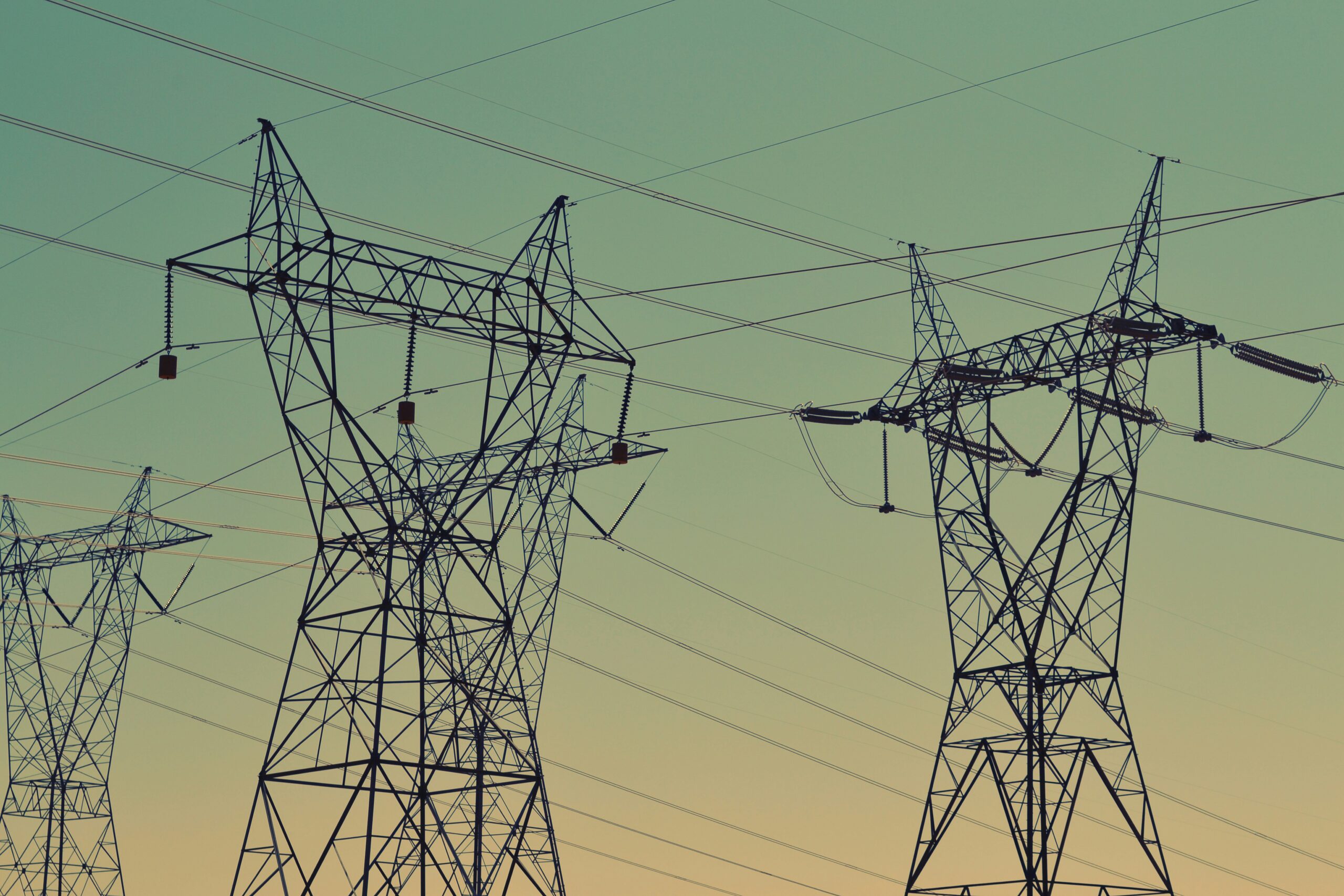
After two decades of relatively constant energy consumption, the nation faces a surge in power demand driven by artificial intelligence, domestic manufacturing, and continued electrification, developments that challenge an already-constrained electricity grid. In this way, the United States’ energy strategy must effectively bridge economic policy and geopolitical power while serving as a calibrated response to climate change.
In An Energy Strategy for National Renewal, Joseph Majkut outlines a strategy to boost energy generation, build transmission infrastructure, and approach greenhouse-gas emissions reductions while prioritizing global economic competitiveness.
Forecasts suggest that U.S. electricity demand could rise by as much as 105 percent by 2040, driven by rapid growth in artificial intelligence (AI) data centers and strategic manufacturing. Capital investment in AI data centers could soar from $125 billion in 2024 to nearly $2 trillion by 2030, with facilities requiring electricity loads comparable to mid-sized cities. At the same time, the expansion of semiconductor and electric-vehicle production is straining regional grids. Together, these sectors are reshaping the U.S. energy landscape and propelling the need for increased generation and transmission capacity.
The existing grid is unable to support the scale of new power demands, creating reliability problems, as the power sector operates on increasingly thin reserve margins during periods of peak demand. Majkut calls for strengthening generation, transmission, and distribution infrastructure while continuing to reduce emissions. He argues that the country needs to do so in a way that aligns our strategic competitiveness goals with climate concerns, as the carbon intensity of products is becoming a key competitive differentiator in international markets. America already holds distinct carbon-intensity advantages in key production sectors, but these need to be preserved by continuing to invest in clean energy and resilient infrastructure.
In light of these challenges, Majkut proposes four policy proposals to support strategic energy competition.
Expand the development and deployment of nuclear energy. Expanding nuclear power would complement solar, storage, and natural gas by providing large-scale, carbon-free baseload generation. Majkut proposes an anchor tenancy model in which the Department of Energy is a contracted purchaser of power from a project under development, so that private developers can secure funding from capital markets and attract other potential offtakes, enabling financing and the start of construction.
Invest in transmission enhancements. Investing in high-voltage interstate transmission is one of the most strategic long-term steps the federal government can take to strengthen the energy system. Majkut calls for federal funding and authority to accelerate the buildout of a national grid capable of transferring power efficiently across states, especially to regions hosting data centers and strategic industries.
Build new natural-gas plants ready for later retrofit with carbon capture and storage equipment. While natural gas will be necessary to meet rising demand, future emissions reduction goals will require retrofitting many of these facilities. Designing plants today with future carbon capture and storage (CCS) in mind is a low-cost hedge that helps prioritize long-term emissions-reduction progress. Federal and state policy should encourage CCS readiness as a condition of accelerated permitting and incentives for new gas generation.
Establish rigorous carbon-accounting standards. As global markets increasingly reward low-carbon production, the United States will need credible emissions accounting to maintain competitiveness. Majkut recommends U.S.-led standards that leverage the expertise of the Departments of Energy and Commerce to guide investment, enhance transparency, and build support for broader climate policies.
Suggested Citation: Majkut, Joseph., 2025. “An Energy Strategy for National Renewal.” In Advancing America’s Prosperity, edited by Melissa S. Kearney and Luke Pardue. Washington, DC: Aspen Institute. http://dx.doi.org/10.2139/ssrn.6506883.